SARDINE RUNAFRICA

Chintsa · Wild Coast · May to July

The Greatest Shoal on Earth

Each winter, billions of sardines pour up South Africa's Wild Coast, and the ocean's fastest hunters follow. This is the world's biggest marine migration, and it passes our beach first.

  • 7-day expeditions
  • 40 min from the airport
  • Small groups

Beneath the surface

Then the water turns silver

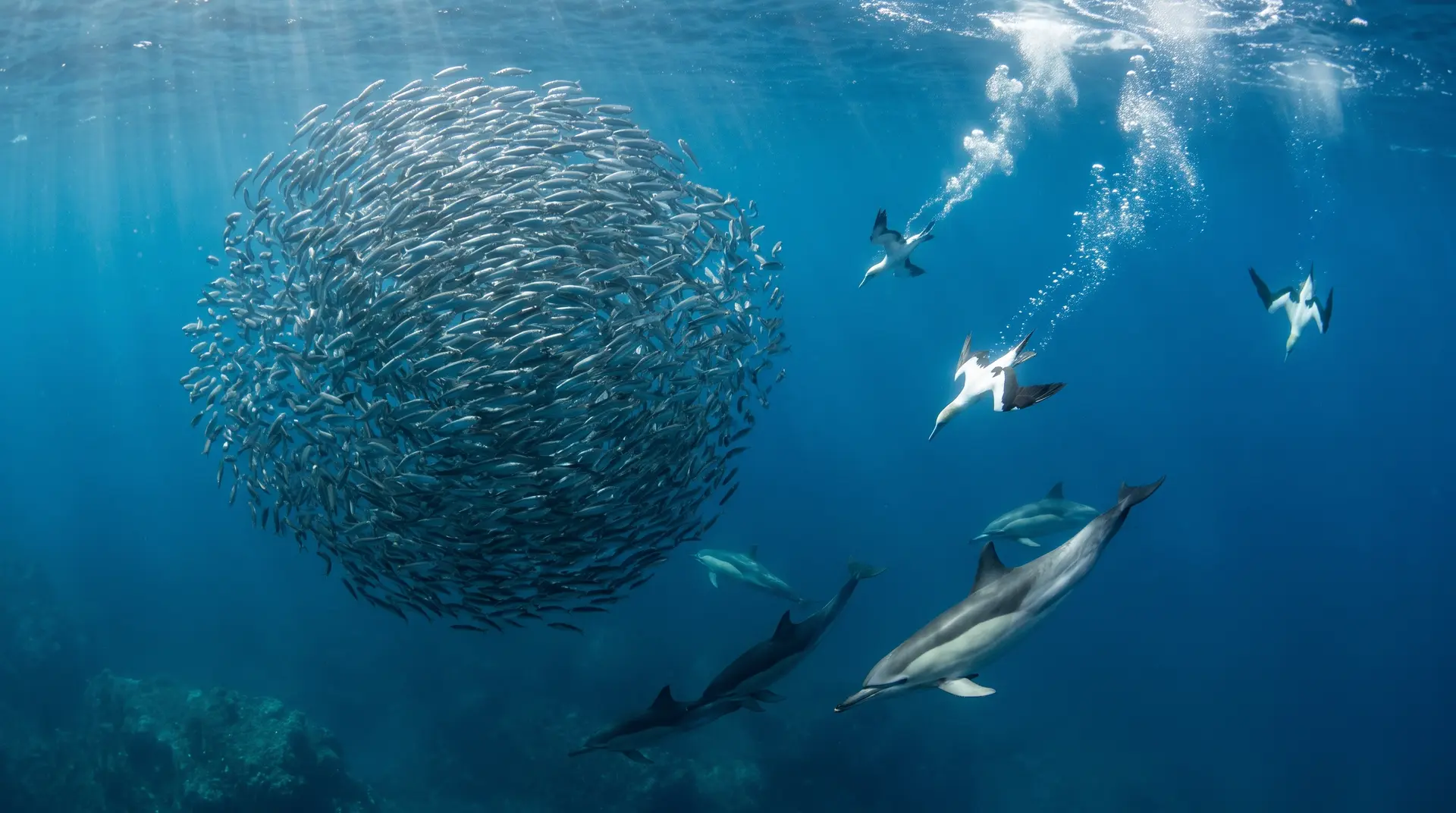
Shoals up to seven kilometres long move like one animal: a flashing wall of fish you can see from the air. Down here, you're inside it.

  • Snorkel-first
  • No dive cert needed

The hunt

And the ocean explodes

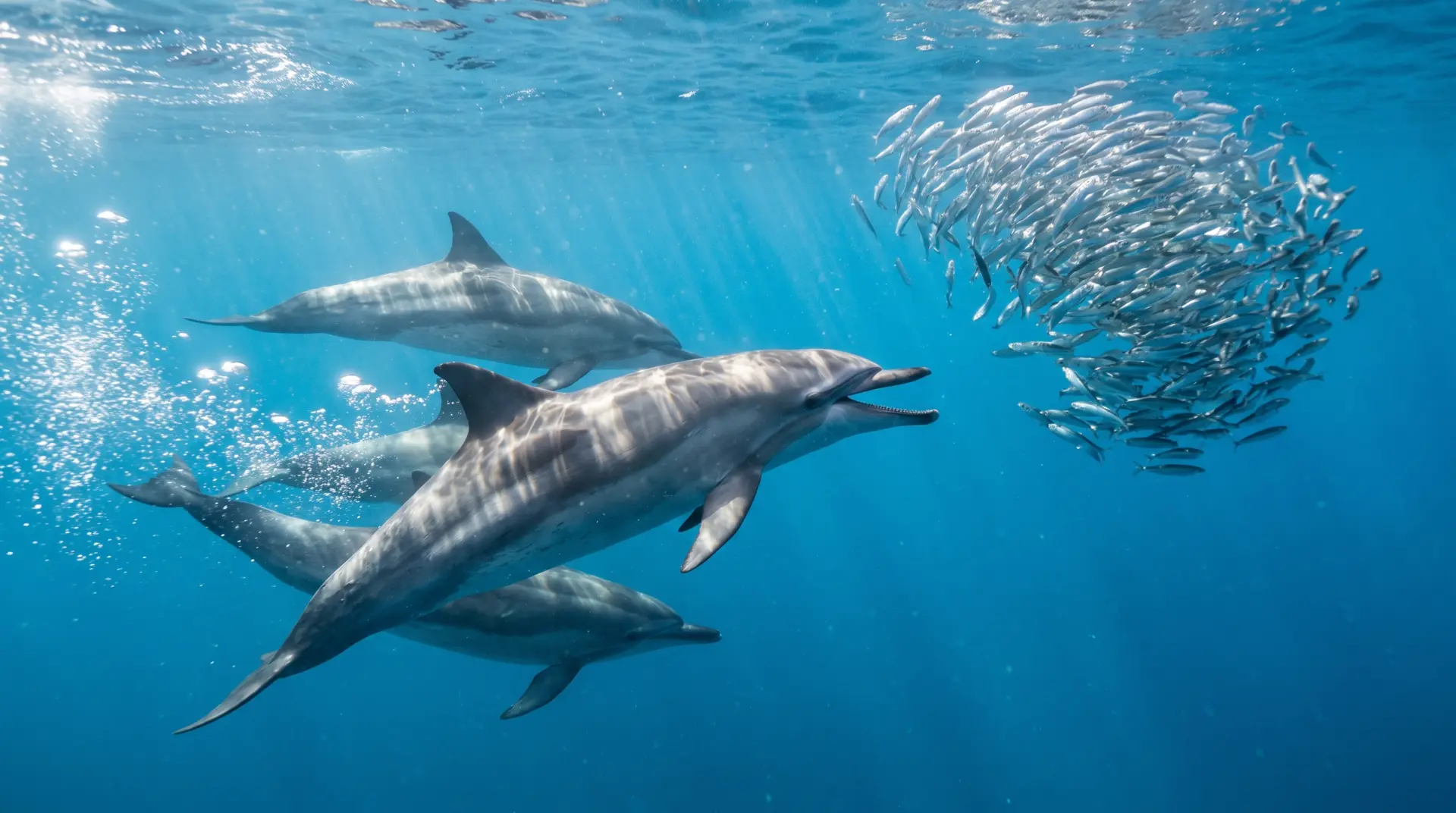
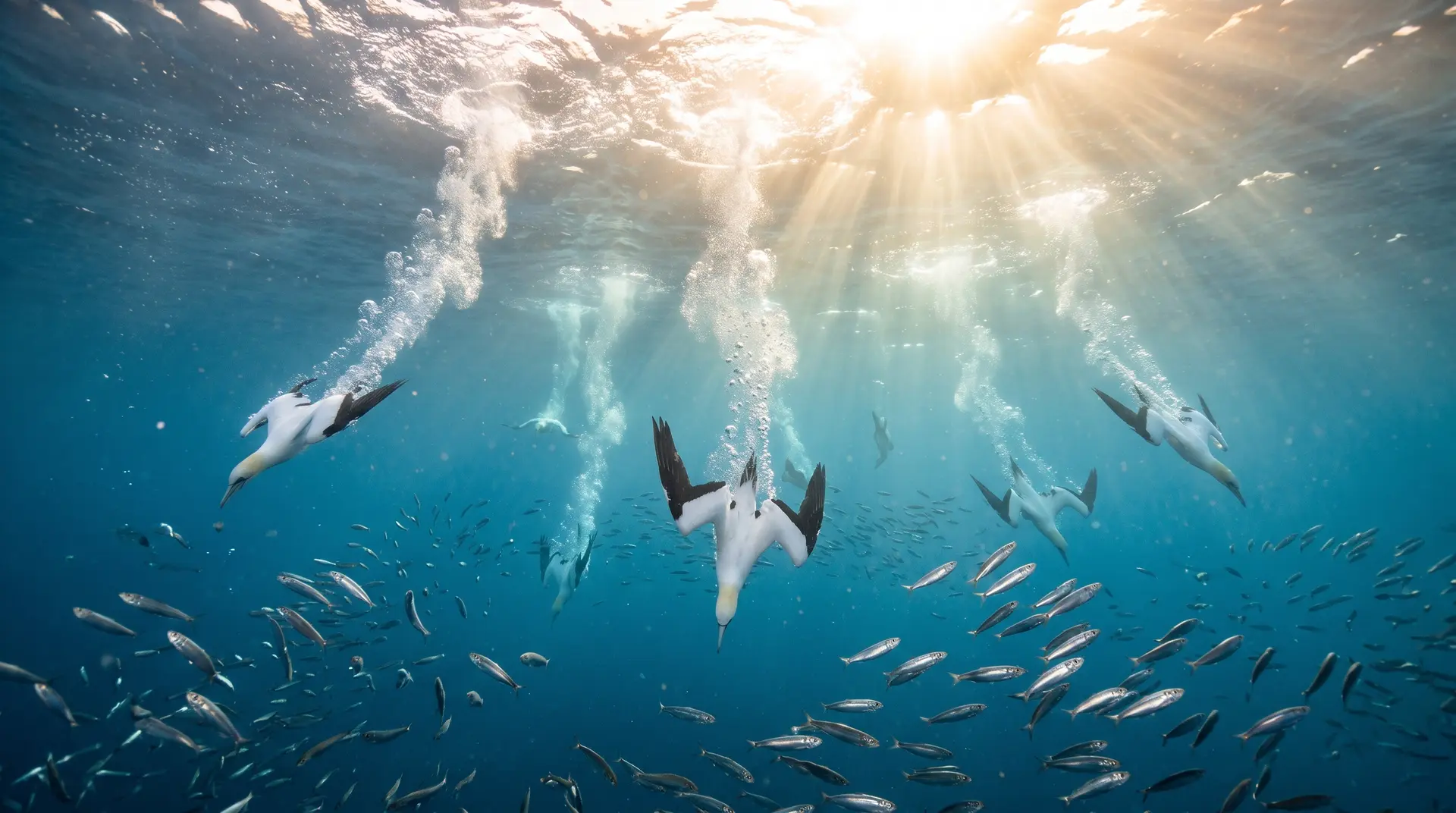
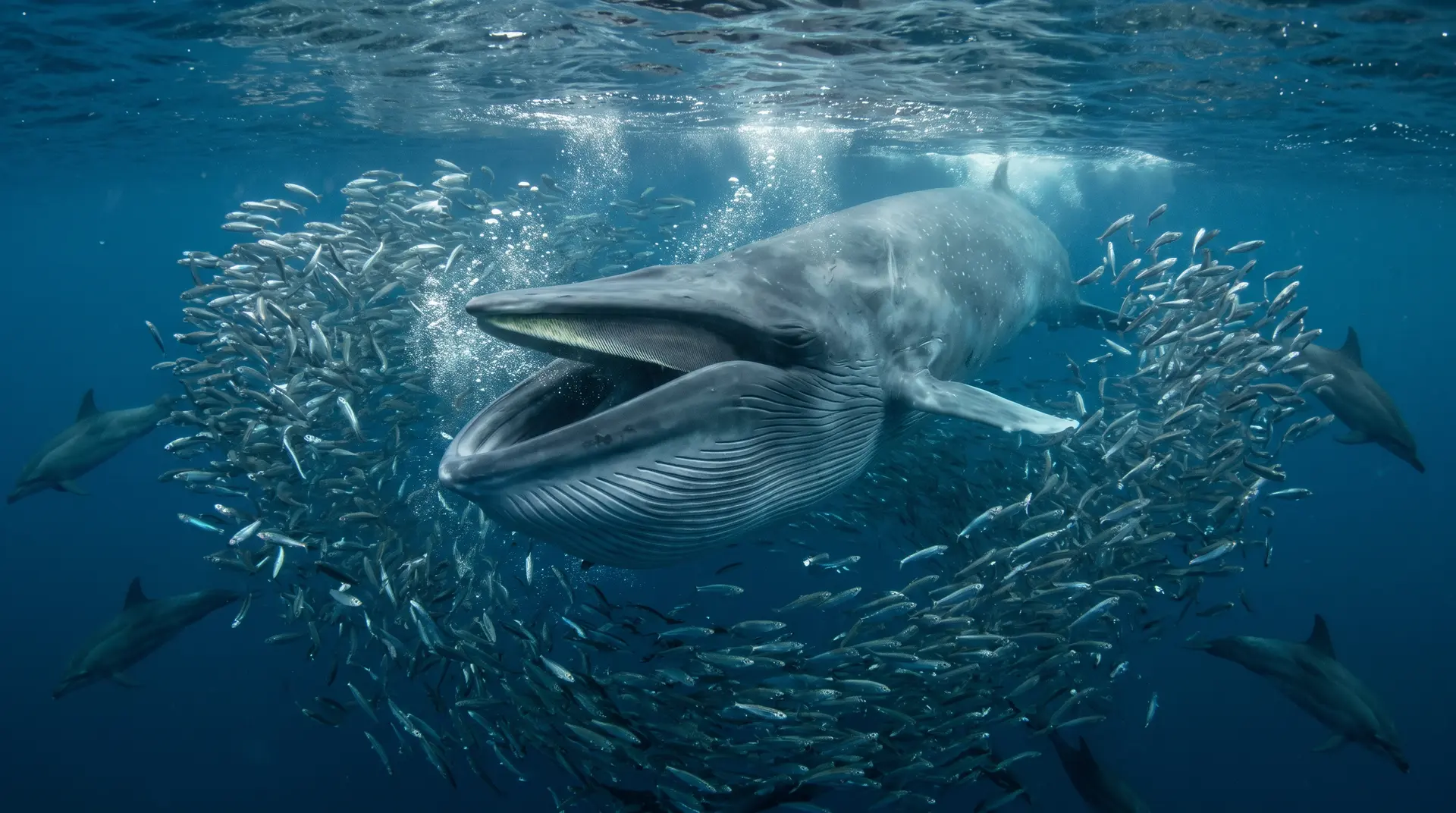
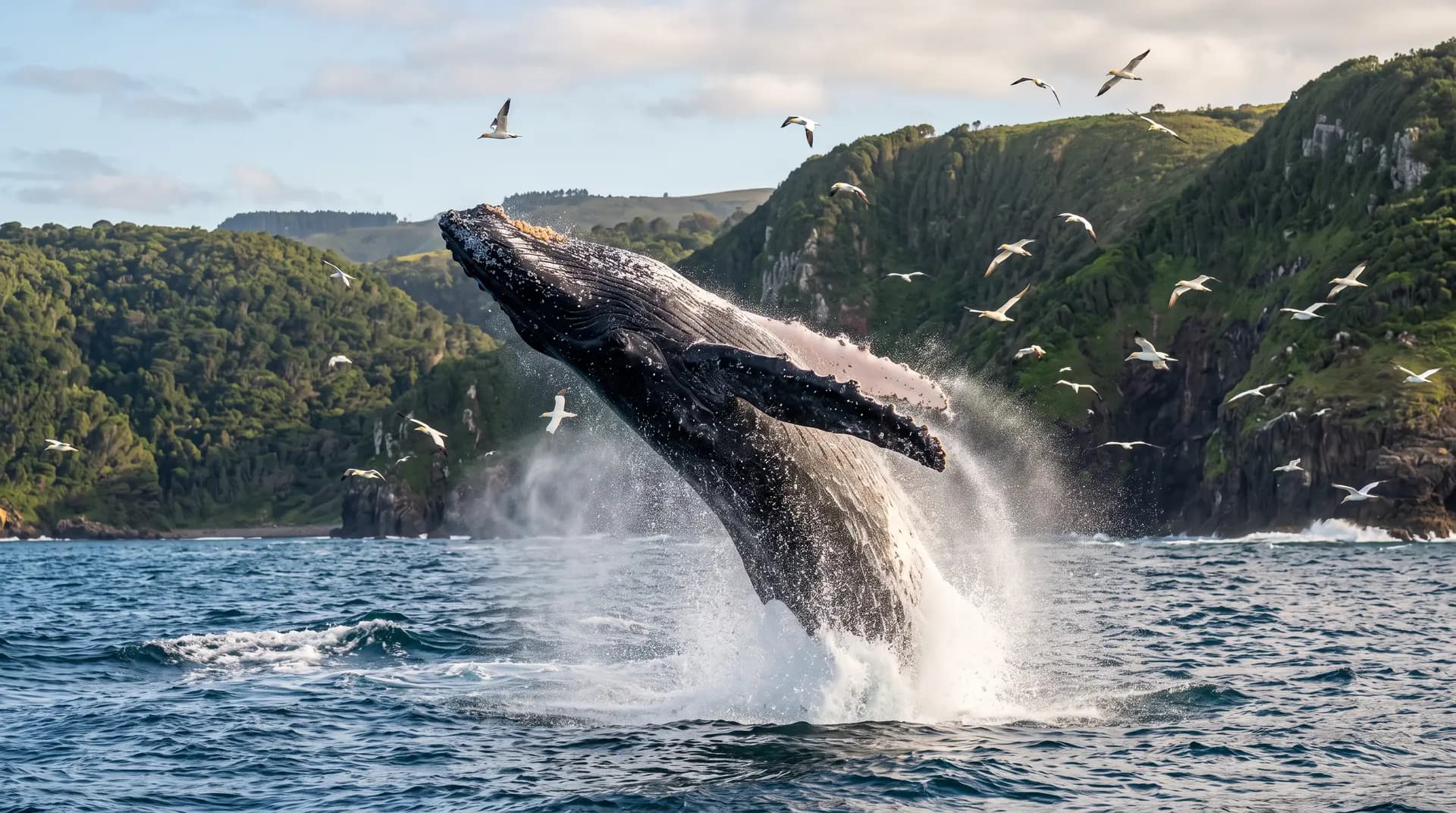
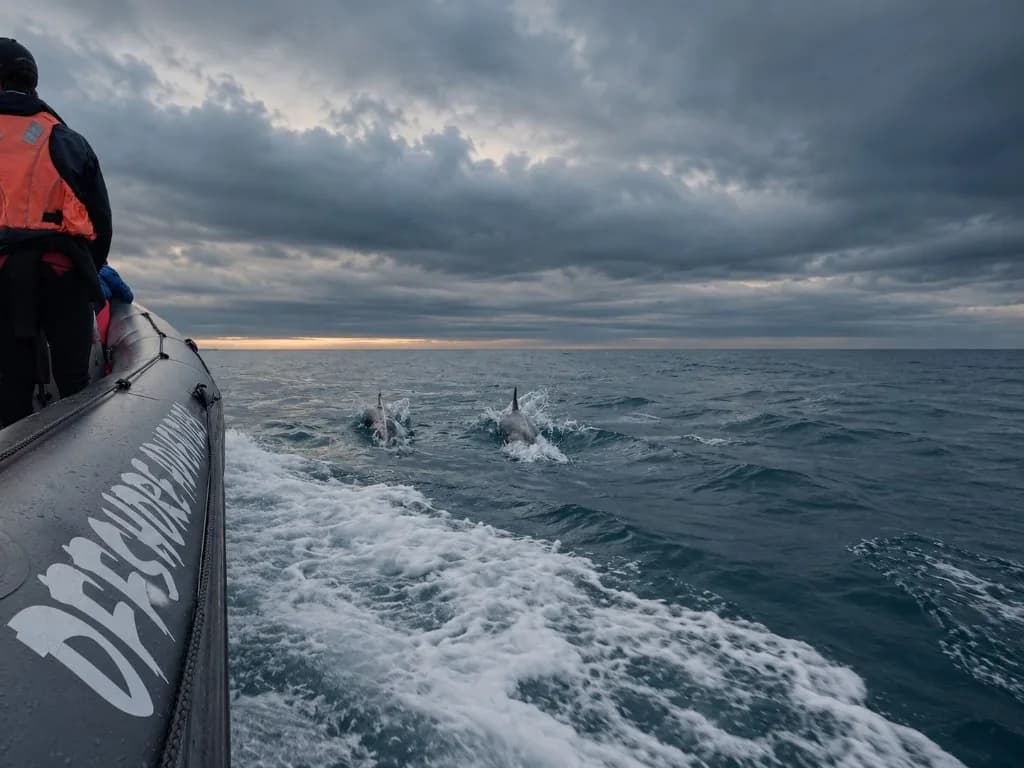
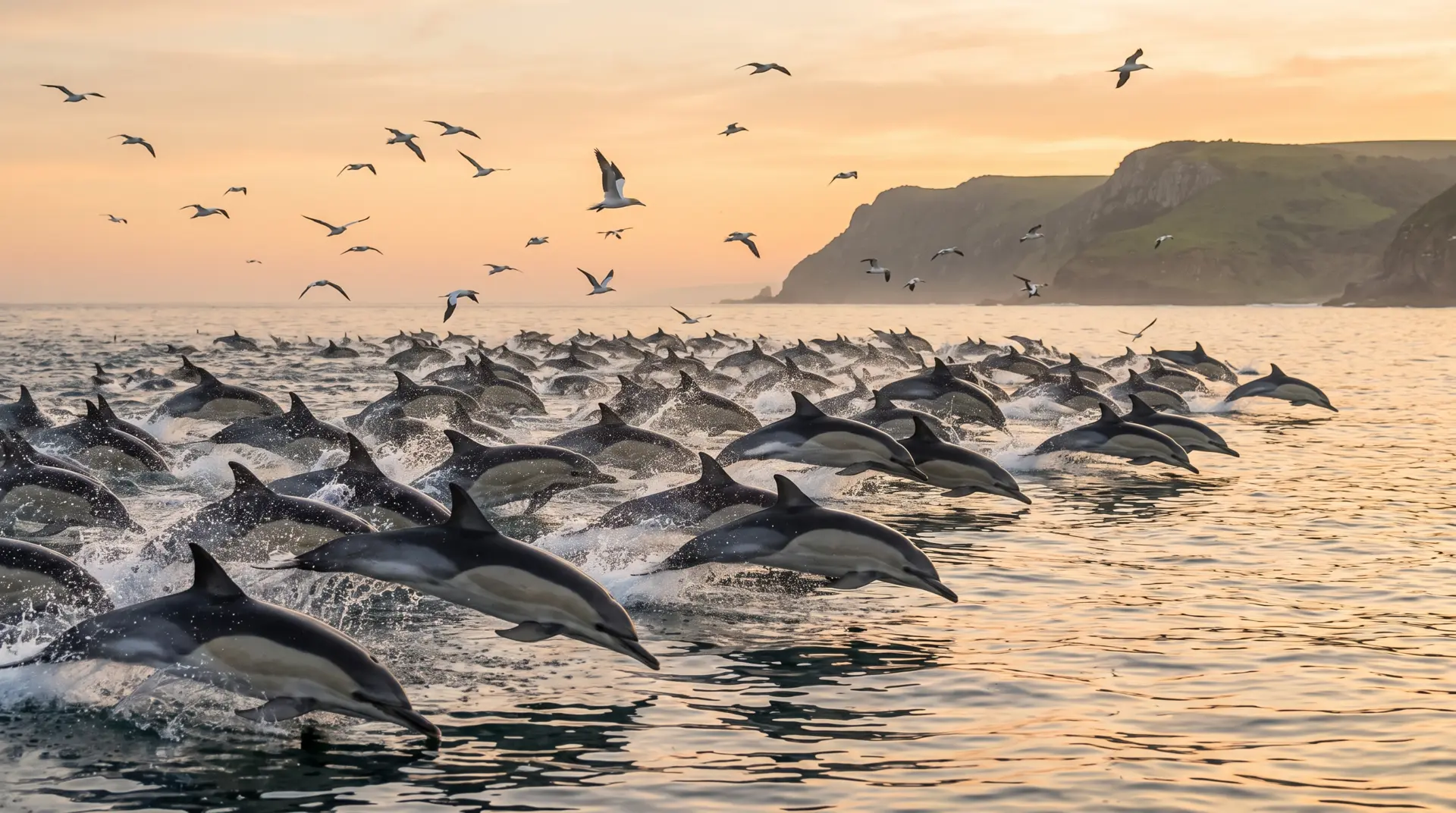
Common dolphins carve the shoal into bait balls. Gannets rain from the sky. Whales, sharks and seals join a feeding event nothing else on Earth matches.

Scroll to dive

7 days

5 sea days chasing the run

40 min

from King Phalo Airport, East London

First

the shoals reach our coast before the fleet

Snorkel-first

no dive certification required

Why Chintsa

See the run first, before the fleet follows it north

Every winter the sardines move up the coast from the Agulhas Bank, and the southern Wild Coast gets them first. While the boats crowd Port St Johns waiting for mid-season, the early shoals are already off our beach, with the dolphins, gannets and whales working them.

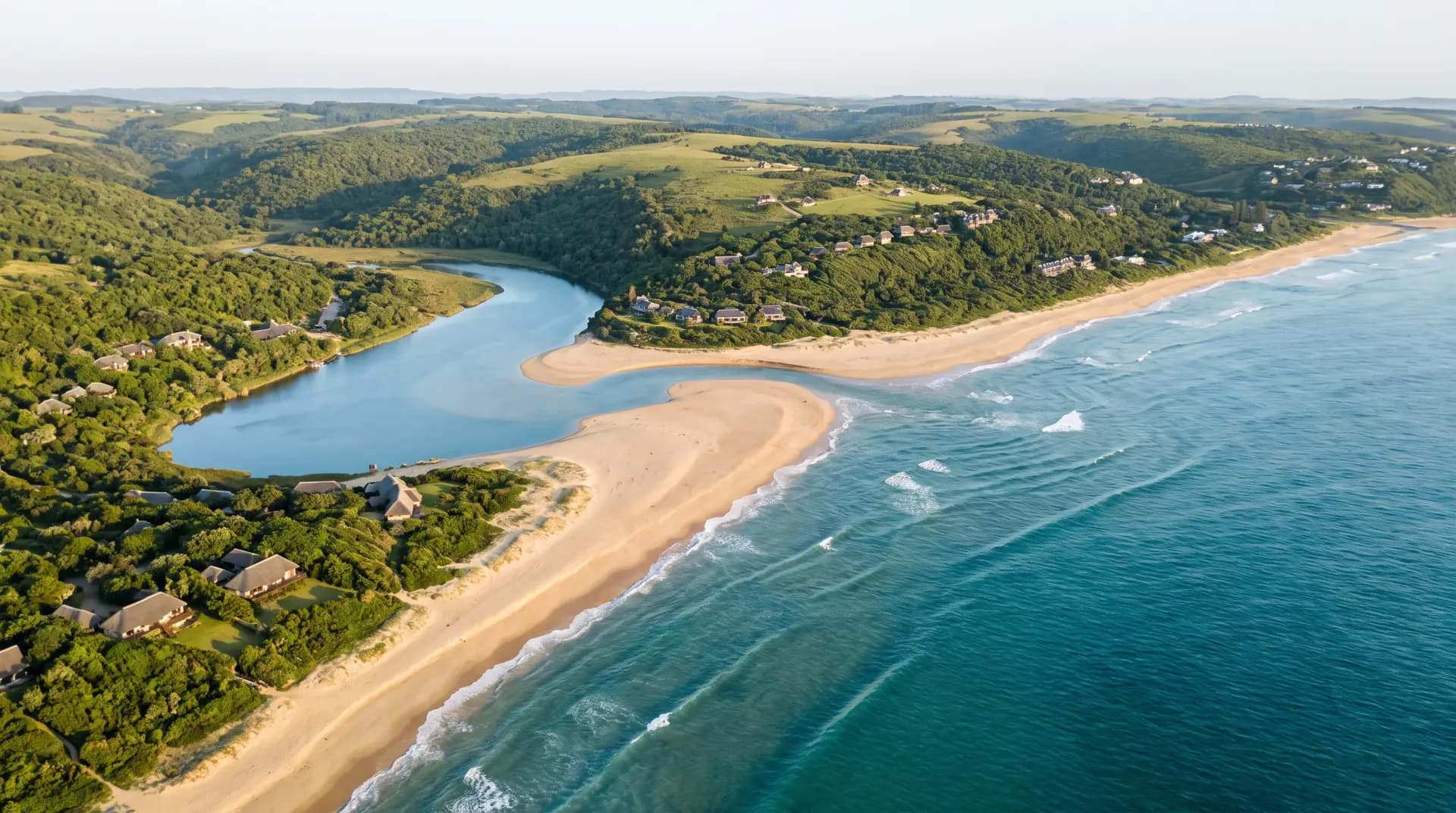
Chintsa is the easiest sardine run base in the country to reach: fly direct from Johannesburg or Cape Town to King Phalo Airport and you're at the lodge 40 minutes later. No connecting flights to Mthatha, no five-hour transfers.

And we're not new to this. Sardine Run Africa is built by the crew behind Offshore Adventures in Plettenberg Bay: thousands of ocean safaris, seal swims and sardine run charters over the years, with Blue Flag status and an NSRI partnership to show for it.

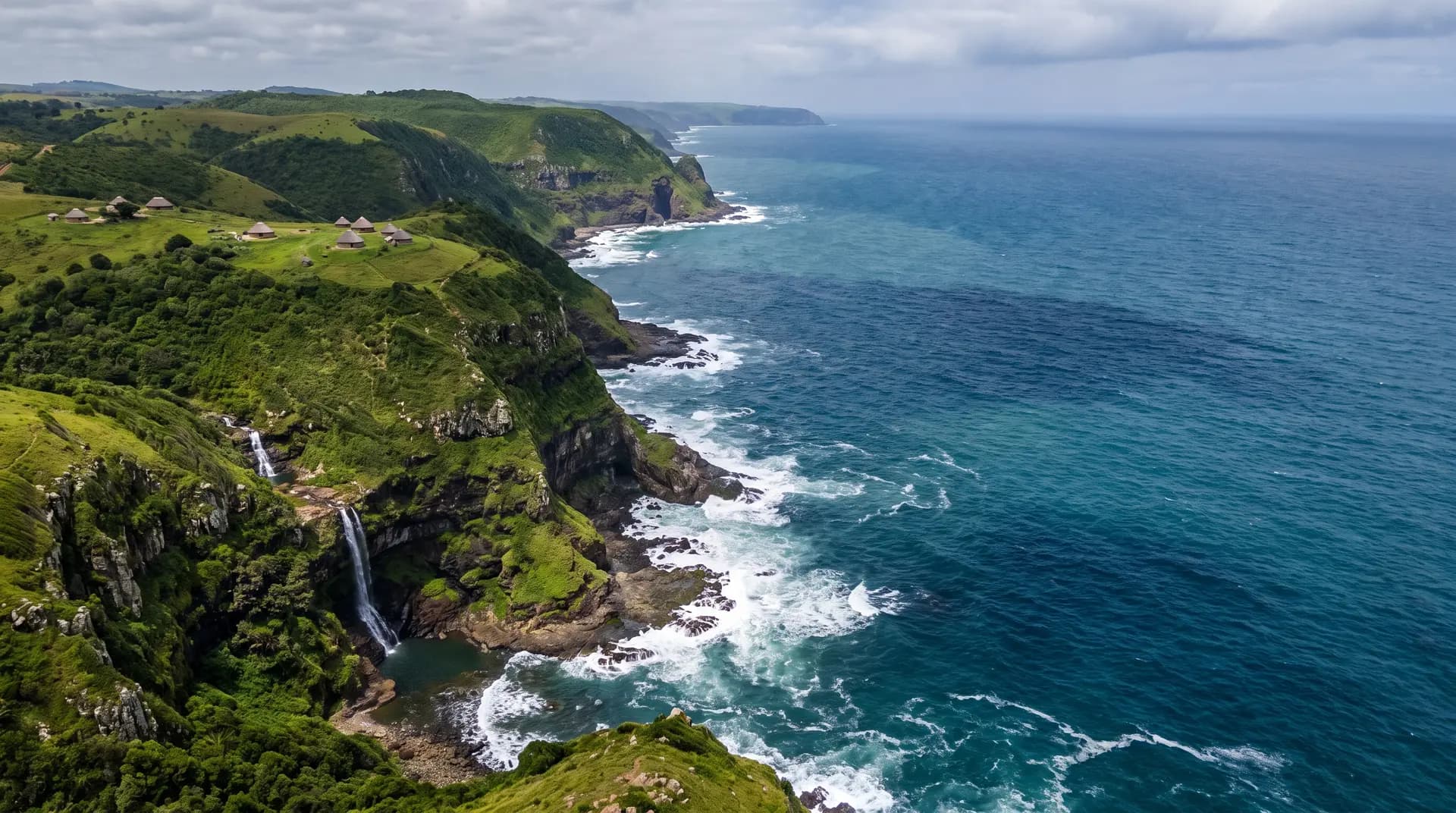
Aerial view of Chintsa beach and lagoon on the Wild Coast

The cast

Every predator in the book, on one migration

The run isn't about sardines. It's about what the sardines bring.

Full species guide →
Common dolphinsMost sea days

Common dolphins

Super-pods thousands strong, the bait-ball architects

Cape gannetsMost sea days

Cape gannets

Hit the water from 30 metres like white arrows

Bryde's whalesRegular

Bryde's whales

The bait-ball freight train, mouth first

Humpback whalesAlmost daily

Humpback whales

Migrating north alongside the run

Copper sharksRegular

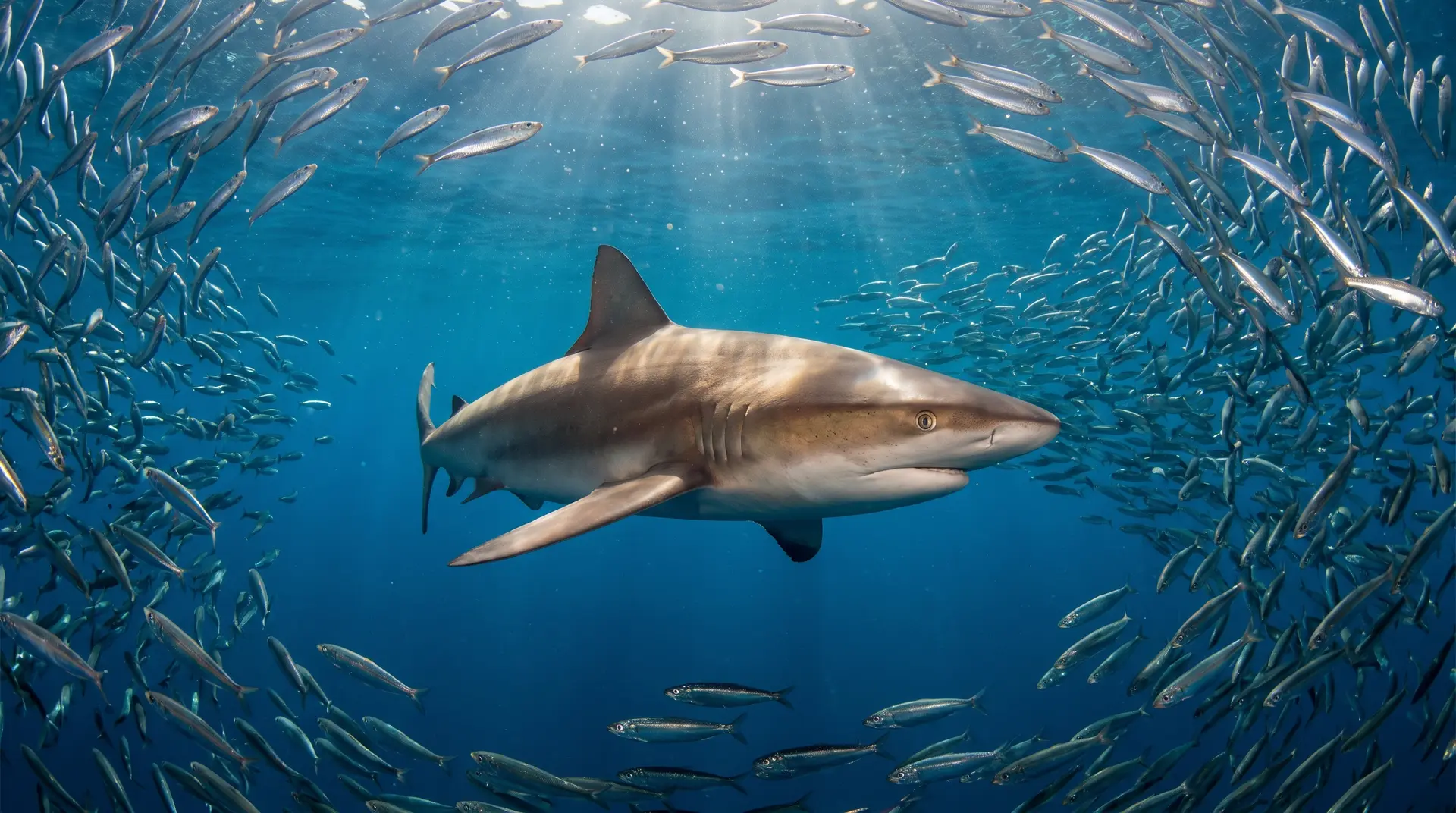
Copper sharks

The signature shark of the run

Cape fur sealsRegular

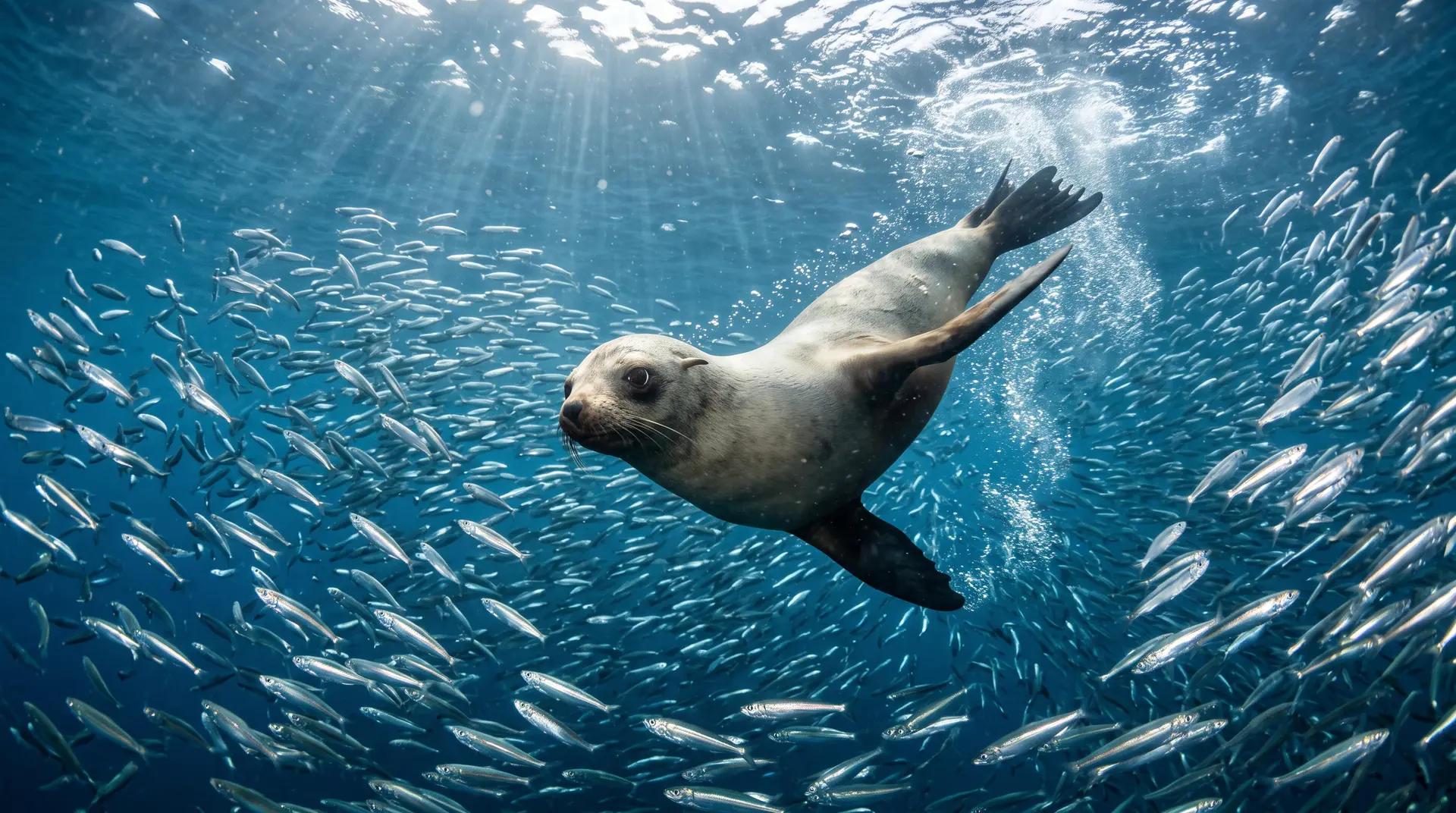
Cape fur seals

Fast, curious, everywhere the fish are

Expedition RIB launching through the surf at dawn

A sea day

Dark start. Silver morning.

  1. 05:45

    Coffee on the deck, kit check, sea briefing

  2. 06:30

    Beach launch into first light

  3. 07:00

    Reading the signs: gannet lines, dolphin runs, whale blows

  4. 09:00

    On the fish: snorkel entries when the ball sets up

  5. 13:00

    Lunch on the water, following the action

  6. 15:00

    Last drops, then home through the swell

  7. 18:30

    Fire, food, and the day's footage

Straight answers

Questions everyone asks

When is the sardine run?

May to July each year. The action starts in the south, on the Gqeberha to East London stretch (our home water), in May and June, then moves north to Port St Johns through July. See our season and dates guide for the month-by-month picture.

Do I need to be a scuba diver?

No. Most of the sardine run happens at or near the surface, and snorkelers often see more than divers because bait balls move fast. Scuba is used on stable bait balls at the skipper's discretion. Non-swimmers can experience the whole event from the boat.

Why run from Chintsa instead of Port St Johns?

The shoals pass our stretch of coast first, in the early season, while the big fleet is still waiting up north. We launch off Chintsa beach, 40 minutes from King Phalo Airport with daily direct flights from Johannesburg and Cape Town. Fewer boats, earlier action, easier travel.

Are sightings guaranteed?

No honest operator guarantees bait balls. This is a wild migration driven by water temperature and wind. What we can say: dolphins, whales and gannets are seen on most sea days in season, and five sea days gives the run every chance to deliver.

How much does it cost?

2027 pricing is being finalised. Comparable 7-day Wild Coast expeditions run roughly R38,000 to R53,000 per person sharing. Enquire now for the launch rate; early enquiries get first pick of peak weeks. Full market breakdown in our price guide.

How fit do I need to be?

Moderately: 6 to 8 hours a day on a RIB, quick entries and exits, and the strength to climb back aboard. If you can swim confidently in open water, you can do this. Our preparation guide has an 8-week plan.

Twenty-five more answered in the full FAQ.

2027 weeks open soon. Get in first

Tell us your preferred window and group size. Early enquiries get first pick of the peak weeks and the launch rate when pricing is confirmed.

Boats carry small groups only, and prime weeks go 6-12 months out.